Why Aren't My Tumbled Rocks Shiny? 7 Causes and Fixes
Tumbled rocks dull, hazy or scratched after polishing? The 7 most common causes, from a rushed coarse stage to grit contamination, and how to fix each one.
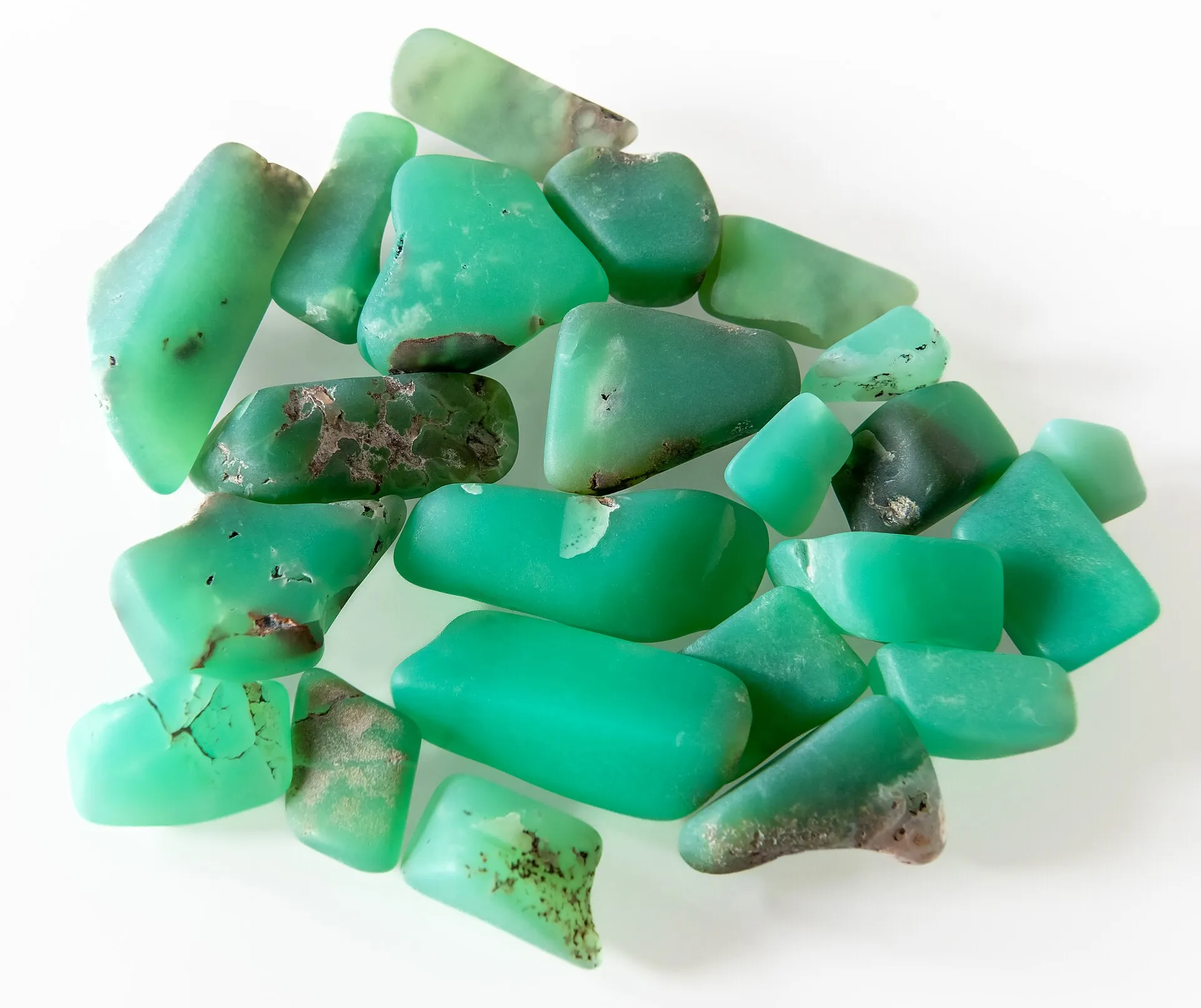 Photo: W.carter, CC BY 4.0
In this guide
Short answer: dull tumbled rocks almost always come from one of a few problems: the coarse stage was too short, grit from an earlier stage got into the polish, the medium or fine stage was rushed, the stones were too soft or porous, or the barrel was too empty. Check your stones dry, find the cause in the list below, and go back to the stage that fixes it.
First: check them dry
Wet stones always look shiny. Dry a few stones completely and look at them under good light. Note what you see:
- Dull all over: polish or loading problem
- Fine scratches: grit contamination or a rushed stage
- Pits and rough patches: coarse stage too short
- Light haze: polish residue
1. The coarse stage was too short
The later stages can’t remove pits, cracks or rough spots. If they’re still there, the polish won’t look right.
Fix: go back to coarse grit and run until the stones are smooth and well shaped, then repeat medium, fine and polish. See the grit schedule.
2. Grit contamination
A few grains of coarser grit in the polish stage leave scratches on every stone.
Fix: clean rocks, barrel and lid thoroughly between every stage. Scrub stones with pores or crevices. Some hobbyists keep a separate barrel only for polishing. Then repeat the fine and polish stages.
3. Medium or fine stage rushed
Each stage must remove the scratches left by the previous one. Skipping or shortening one leaves scratches that the polish can’t remove.
Fix: repeat the medium (if you see visible scratches), fine and polish stages.
4. Soft or porous stones
Soft stones (calcite, fluorite, many others below about 6 on the Mohs scale) and porous stones don’t polish well in a standard agate and jasper batch. They may come out dull no matter what you do.
Fix: tumble only hard, solid stones together. See the best rocks to tumble.
5. Barrel too empty or too full
With too few stones, they crash into each other instead of rolling, causing bruises and chips. Too full, and they don’t move enough.
Fix: fill the barrel about half to two-thirds, topping up with ceramic media or plastic pellets. See how to load a rock tumbler.
6. Wrong amount of water or polish
Too much water thins the polish; too little turns it into a thick paste that doesn’t work well.
Fix: water just below the top of the rocks, about 2 level tablespoons of polish per pound of rock. Our Tumbling Planner does the math.
7. Polish residue (haze)
A light, even haze on otherwise good stones is often dried polish.
Fix: burnish: tumble the stones for an hour or a few hours in water with a little soap, then rinse.
Quick diagnosis
| What you see | Most likely cause | Go back to |
|---|---|---|
| Pits, rough spots | Coarse stage too short | Coarse |
| Fine scratches all over | Grit contamination or rushed stage | Medium or fine |
| Even haze | Polish residue | Burnish |
| Dull soft stones in a good batch | Stone too soft | Tumble separately |
| Chips and white bruise marks | Barrel too empty | Reload with media, then fine |
Frequently asked questions
Why are my rocks shiny when wet but dull when dry?
The water fills the tiny scratches and makes the stones look polished. Dull dry stones need more work in the fine and polish stages.
Can I just polish them longer?
Polishing longer rarely fixes scratches or pits. Go back to the stage that removes them.
What are the white marks on my tumbled stones?
Usually bruising from stones hitting each other in a barrel that’s too empty. Add ceramic media or pellets to cushion them.