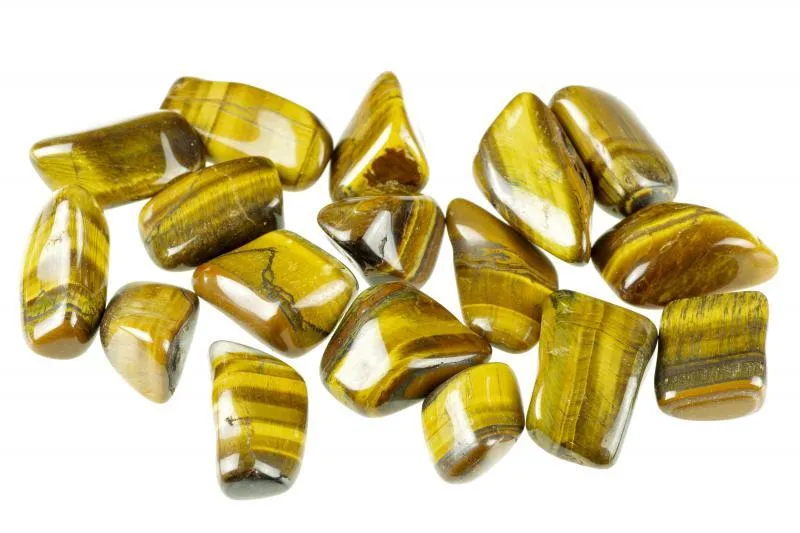
Rock Tumbler Grit Schedule: How Long to Run Each Stage
How long to tumble rocks in each stage: coarse, medium, fine and polish timings for rotary tumblers, when to extend a stage, and how vibratory tumblers differ.
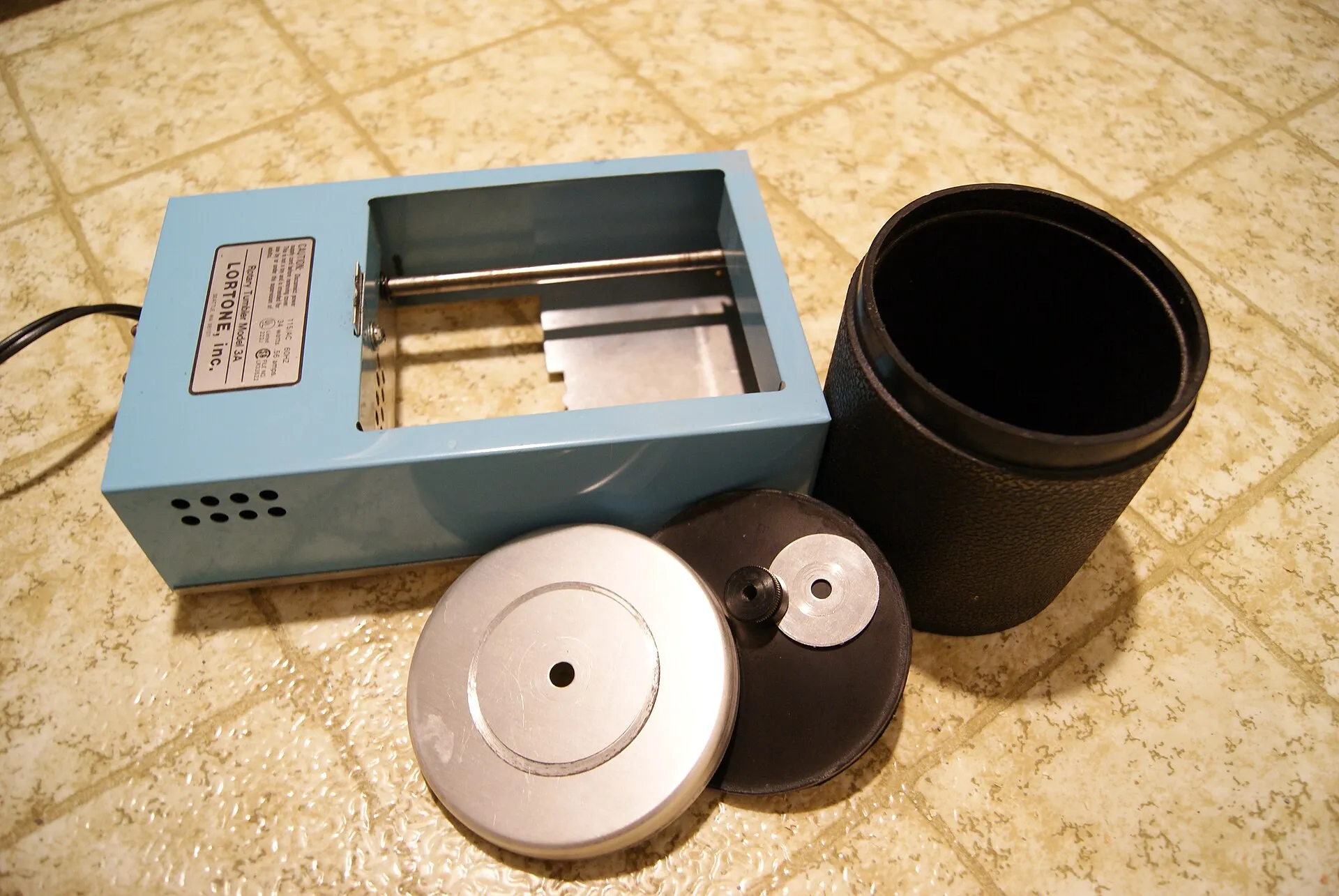 Photo: Zul32, CC BY-SA 3.0
In this guide
Short answer: in a rotary tumbler, plan on about one week per stage: coarse (60/90 grit), medium (120/220 or 150/220), fine (500/600) and polish. The coarse stage is the one to extend: angular or pitted rough often needs 2–3 weeks or more. Move on only when the stones have the shape and surface you want, not when the calendar says so.
Standard rotary schedule
| Stage | Grit | Time | Move on when |
|---|---|---|---|
| 1. Coarse | 60/90 silicon carbide | 7 days (often 14–21+) | Stones are rounded and free of pits and cracks |
| 2. Medium | 120/220 or 150/220 silicon carbide | 7 days | Coarse scratches are gone, surface is evenly smooth |
| 3. Fine | 500/600 silicon carbide | 7 days | Stones are smooth and matte, almost satin |
| 4. Polish | Aluminum oxide or cerium oxide | 7 days | Stones are shiny when dry |
| Burnish (optional) | Water and a little soap | A few hours | Haze is gone |
Plan your dates and grit amounts with the Tumbling Planner.
The coarse stage decides everything
The later stages only refine the surface. They can’t fix shape problems or remove pits left from the coarse stage.
- Check after each week. Dry a few stones and look closely. Wet stones hide flaws.
- Run another coarse week if you still see pits, cracks, rough spots or sharp edges.
- Replace the grit each time you add a week. Used grit has lost most of its cutting power.
It’s normal for very rough material to spend a month or more in coarse grit.
Medium and fine: don’t rush
These stages remove the scratches left by the previous grit. Each one needs to remove all the scratches of the stage before. If you shorten them, those scratches show up as dull spots after polishing.
Polish
The polish stage turns a smooth matte surface into a shine. Two common choices:
- Aluminum oxide: a widely used, all-round polish for agate, jasper and quartz.
- Cerium oxide: a classic polish, often used for quartz and glass.
Plastic pellets or ceramic media in the barrel help cushion stones and improve the polish.
Rotary vs vibratory timings
| Rotary | Vibratory | |
|---|---|---|
| Shape | Rounds the stones | Keeps the original shape |
| Speed | About a week per stage | Usually much faster, roughly half the time |
| Coarse stage | Yes, does the shaping | Often skipped; starts at medium grit |
| Grit amount | About 2 tbsp per lb | About 1/2 tbsp per lb |
Frequently asked questions
Can I tumble longer than a week per stage?
Yes. Longer is rarely a problem in the coarse stage, as long as you refresh the grit. For the other stages, a week is usually enough.
How do I know when to move to the next grit?
Check dry stones. Move on when the surface looks the way that stage should leave it, as in the table above.
Do I need all four stages?
For a shiny finish, yes. Skipping a stage leaves scratches that the next grit can’t remove in a normal week. See why aren’t my tumbled rocks shiny.