Best Rocks to Tumble (and Which Ones to Avoid)
Which rocks are best for rock tumbling: agate, jasper, quartz and more, why Mohs hardness matters, and which stones are too soft, brittle or porous to tumble.
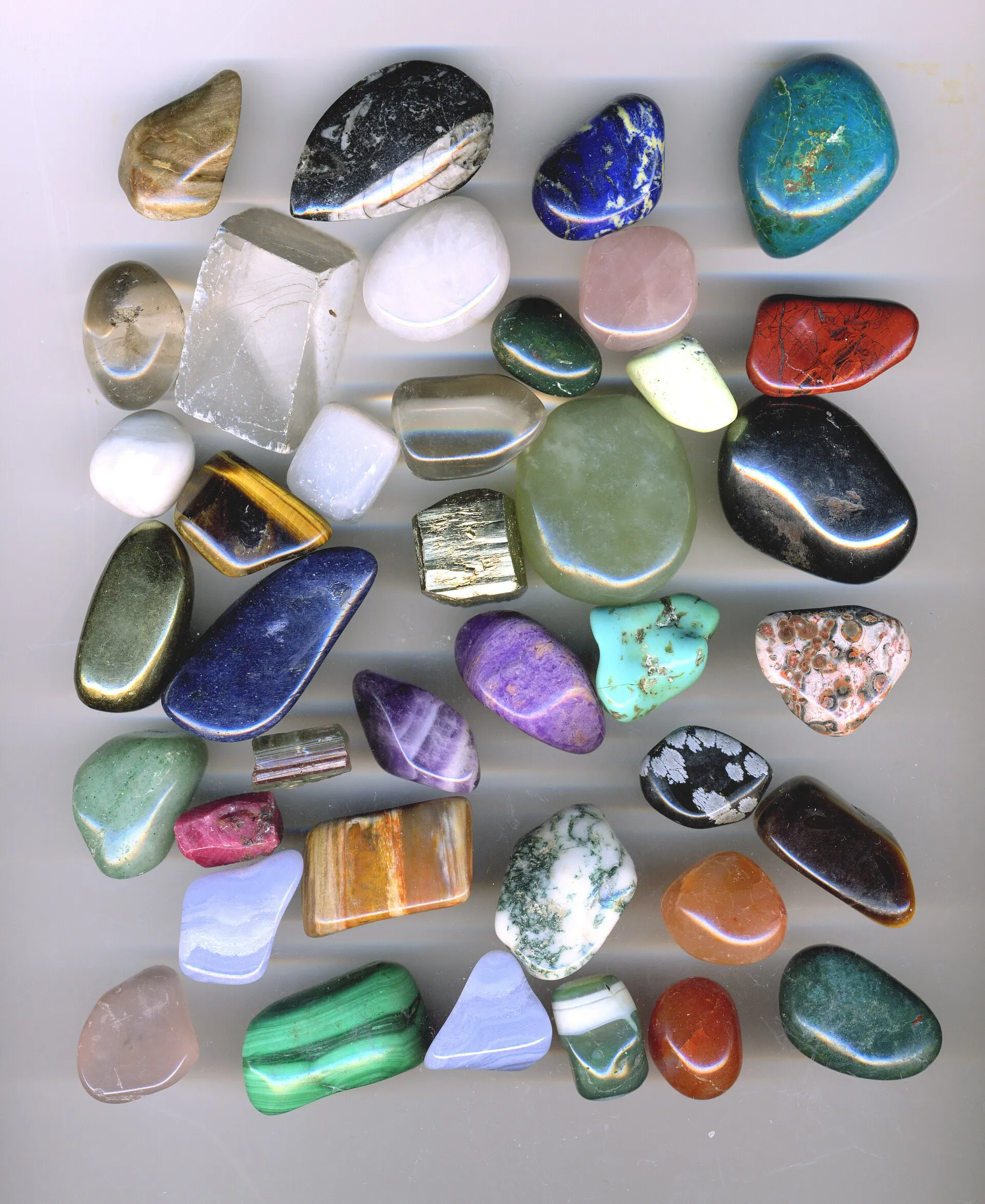 Photo: Arpingstone, Public domain
In this guide
Short answer: the best rocks to tumble are hard, solid and non-porous, around 6–7 on the Mohs scale: agate, jasper, carnelian, chalcedony, petrified wood and quartz (amethyst, rose quartz, citrine, tiger’s-eye). Avoid soft stones like calcite, fluorite and malachite in a normal batch, as well as anything cracked, crumbly or porous. Always tumble stones of similar hardness together.
Why hardness matters
The Mohs scale ranks minerals from 1 (talc) to 10 (diamond) by which can scratch which. In a tumbler:
- Harder stones take longer to shape but polish beautifully.
- Softer stones wear away quickly and can lose most of their size in the coarse stage.
- Mixed hardness in one barrel means the soft stones get ground down and scratched by the hard ones.
Sort your rough by hardness and tumble similar stones together.
The best rocks for beginners
| Stone | Mohs hardness | Why it works |
|---|---|---|
| Agate | About 6.5–7 | Classic tumbling stone, bands and colors show well |
| Jasper | About 6.5–7 | Opaque, colorful, very forgiving |
| Carnelian | About 6.5–7 | Orange-red chalcedony, polishes well |
| Petrified wood | About 7 | Silicified wood with visible grain |
| Amethyst, citrine, rose quartz | 7 | Crystalline quartz; can chip, so use ceramic media |
| Tiger’s-eye | About 7 | Shimmering effect after polishing |
Beach and river pebbles of agate, jasper or quartz are a free way to start. Avoid ones with obvious cracks.
Rocks to avoid in a normal batch
| Stone | Problem |
|---|---|
| Calcite, marble, limestone | Soft (around 3); wears away fast |
| Fluorite | Soft (4) and splits easily along cleavage planes |
| Malachite, turquoise | Soft and often porous; need a separate, gentle process |
| Obsidian | Glassy and brittle; chips easily, needs special care |
| Sandstone, crumbly or granular rock | Falls apart instead of polishing |
| Anything cracked | Breaks in the barrel and scratches other stones |
Soft stones can be tumbled, but in their own batch with shorter, gentler stages. That’s not a good first project.
How to pick good rough
- Solid, not porous. Pores and holes trap grit and won’t polish.
- No visible cracks. Cracks get worse in the tumbler.
- Similar size range: about 1/4 to 1 1/2 in (0.5–4 cm).
- Similar type and hardness in the same batch.
Ready to start? Read our rock tumbling for beginners guide.
Frequently asked questions
What is the easiest rock to tumble?
Jasper and agate. They’re hard, solid and forgiving, and they polish well.
Can I tumble rocks from my backyard?
Often yes, if they’re hard and solid. Test hardness first, and skip soft, crumbly or cracked stones.
Can I tumble different rocks together?
Yes, if they have similar hardness. Agate, jasper and quartz work well together.
Can you tumble glass?
Sea glass and bottle glass can be tumbled, but glass is softer than quartz (about 5.5) and needs its own batch.